
Last month, the UK recorded a 12% rise in daily mobile gaming sessions—a growth rate that eclipses every other leisure pursuit. This surge isn’t just a number; it marks a real change in how we spend our downtime, turning our screens into portals for stories, competition, and community.
From Casual Clicks to Competitive Arenas
What once was a quick puzzle or match‑make game has evolved into persistent worlds. In 2024, titles like League of Legends: Wild Rift and Valorant Mobile feature ranked ladders that stretch for months, with seasonal rewards redeemable for real‑world items. Players average 3.4 hours per week on these competitive apps—time comparable to binge‑watching a single TV series.
This depth of engagement pushes developers to invest heavily in live events. A mid‑year tournament in Wild Rift drew over 2 million concurrent players and generated £1.8 million in in‑app purchases alone. The economic ripple is visible in the gig economy: mobile esports coaches now charge £35–£45 per hour, a niche that has flourished alongside the gaming boom.
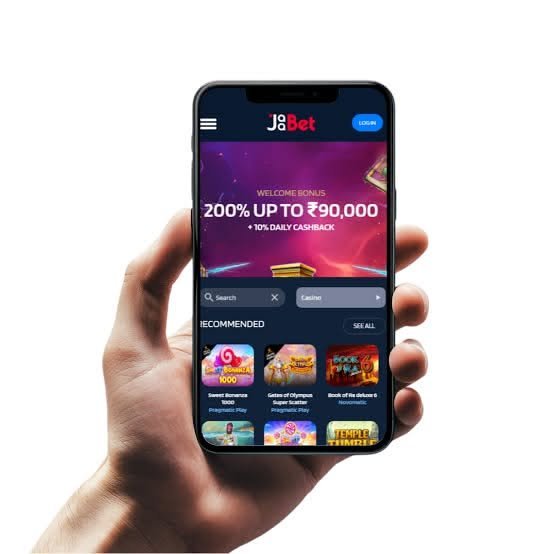
For those looking to extend their gaming experience into the realm of online betting, jokabet casino offers a mobile‑first interface that blends casino thrills with community interaction.
Social Connectivity Reimagined
Mobile games now serve as social hubs. In 2024, 68% of players reported forming or joining communities outside the game’s official forums—often on Discord or TikTok. These groups host fan‑art contests, strategy guides, and even charity streams that can raise up to £10 000 in a single week. The platform that makes this possible is the in‑app messaging system, which bundles voice chat, emotes, and file sharing into one interface.
However, the same feature that fosters connection can also amplify toxicity. A University of Leeds study found that 21% of players experienced harassment in a competitive mobile game over the past year. While developers have rolled out moderation tools, the sheer volume of users means that moderation often lags behind new content.
Monetisation Models and Consumer Impact
Unlike console titles that often rely on a one‑time purchase, mobile gaming apps predominantly use a freemium model. In 2024, the average revenue per user (ARPU) across the UK mobile gaming market hit £4.60, up from £3.90 in 2023. This increase is largely driven by micro‑transactions for cosmetic items—skins, emotes, and avatar accessories—rather than pay‑to‑play mechanics.
While these micro‑transactions can be inexpensive—sometimes as little as £0.99—the cumulative effect can lead to significant spend for dedicated players. In 2024, data from PlayStation and Xbox indicated that 8% of UK gamers spent over £300 on in‑app purchases within a single year, a figure that points to a growing segment willing to invest heavily in digital goods.
Mobile Gaming Meets Traditional Entertainment
With the line between gaming and other media blurring, many traditional entertainment outlets are incorporating mobile gaming elements. Television networks are launching companion apps that let viewers unlock exclusive content by completing quests related to the show. In 2024, the BBC’s new app for the series “Doctor Who” allowed fans to earn badges by watching specific episodes, boosting viewership by 15% in the first month.
Bridge to Online Gaming and Broader Entertainment
Beyond mobile titles, the same trends appear on online gaming platforms. A popular online casino catering to UK audiences has introduced a mobile‑first interface, letting users place bets, view live dealer streams, and engage with community forums—all within a single app. This integration mirrors the seamless experience found in mainstream mobile games and has attracted a new demographic of casual players who previously avoided gambling altogether. If you’re curious about how these digital spaces are evolving, you might find the experience at jokabet casino worth exploring.
What This Means for the Future
The 2024 data suggests that mobile gaming is no longer a niche pastime; it is a major driver of social interaction, economic activity, and media consumption. Developers are creating more immersive worlds, while regulators are tightening guidelines around monetisation and player safety.
For consumers, the takeaway is simple: mobile games are now a central part of the entertainment ecosystem. Whether you’re chasing a leaderboard spot, connecting with friends, or exploring new media, the next few years will likely see even deeper integration of mobile gaming into everyday life.